Home / Your situation
Sell an Old or Vintage Watch
If you have an older luxury watch and don't know what it is or what it's worth, send Ben the details and photos and he'll assess them for a valuation. If you choose to proceed, the sale is an outright purchase and payment follows by bank transfer. Age is one part of the assessment, alongside the model, the originality and the condition.
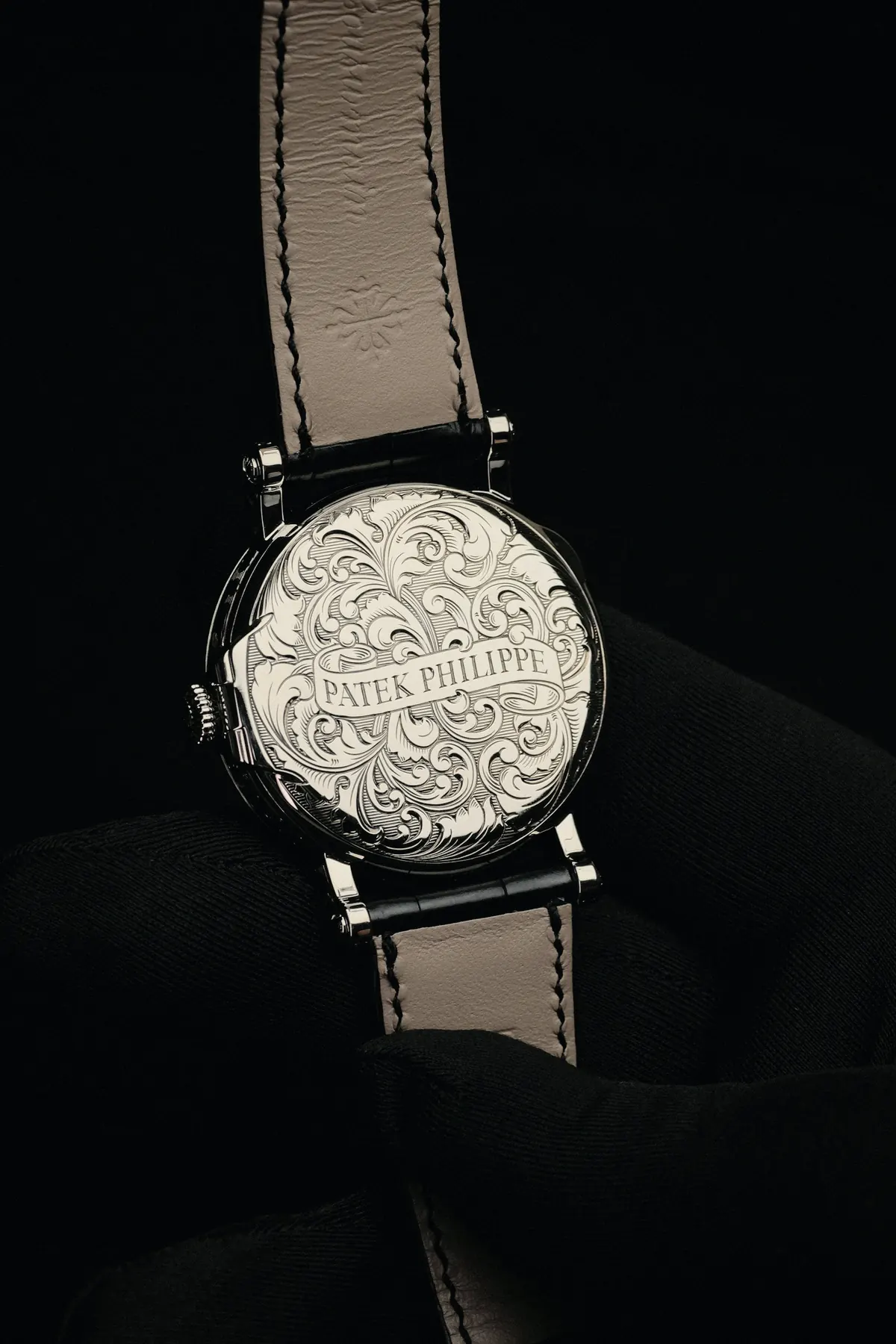
You have an older watch
It might be one you've owned for decades, one that came from a relative, or one you found while clearing a house. It may carry a brand we buy, or it may be an older design that no longer resembles anything the maker sells now. "Vintage" has no fixed definition, and we don't set an age cut-off here. If you think of the watch as old, send Ben what you have.
First, work out what it actually is
Older watches can be harder to identify than recent ones. The model names may have changed, the reference may be worn or in a different place, and the dial may show only the brand. Photograph the dial, the case from the side, the caseback and any engravings, and note anything printed or stamped on them. If you know where and when it was bought, or who owned it, say so. Ben can often narrow down the model from photos, and he'll tell you if he needs to see it.
If you know the brand, its page explains what Ben looks at, for example selling an Omega or selling a Longines.
Age is only one part of the assessment
Age is one part of the assessment, and the model, originality and condition also matter. Some older watches are worth a good deal and others are worth little, and the difference lies mostly in which watch it is and what has happened to it. Ben considers the watch's identity, originality and condition together. For the general factors, see what a watch is worth.
Original parts, alterations and condition
On an older watch, Ben pays close attention to whether the parts are original: the dial, hands, crystal, crown, case and bracelet. Parts may have been replaced, a dial may have been refinished or a case may have been polished, and Ben considers those details when assessing the watch. He also checks the condition of the case and dial, and whether the watch runs.
Don't clean or polish an older watch before sending photos. Show it as it is, with any wear.
What survives from its history
A service record, a receipt, a letter, an old warranty card or a family account of where the watch came from can all help. They show where the watch has been and what has been done to it. Gather whatever you have, even if it seems minor, and send photos of it.
An old watch without papers or service history
An older watch may have neither papers nor a service history. Ben works from the watch itself and from what you can tell him, and selling without box or papers explains how that works. If the watch came from a relative, selling an inherited watch covers what to check first.
When an older watch is worth sending in
If you recognise the brand, know the watch is old or simply can't identify it, send Ben the details you have. A valuation is how you find out. If it has stopped, selling a broken watch covers that.
Questions about selling an old watch
How do I identify an old watch if I don't know the model?
Photograph the dial, case sides and caseback, and note any engravings or numbers. Ben can often narrow it down from those.
What if the reference is worn away?
Say so. Other details, including the case and any visible movement information, may help with identification, and Ben will tell you if he needs to inspect it.
What if the watch has been polished or restored?
Tell Ben what you know. Restoration can change how an older watch is assessed, so it's useful to have it on the record.
What if it has no papers or service history?
That's common with older watches. Ben works from the watch and what you can tell him.
Are old watches worth anything?
Some are. It depends on the brand, the model, the originality and the condition, not on age alone.
Can I sell an old Rolex?
Send the details, and selling a Rolex explains what Ben needs to identify it.
What's the best way to sell an old watch?
It depends on the watch and how you want to sell. Ways to sell a luxury watch sets out the routes.
Send Ben what you can find out
Tell him anything you know about where the watch came from, and add photos of the dial and caseback.
Start with a valuation
Send Ben the details and a few photos. He tells you what he thinks the watch is worth and how he got there. You decide what happens next.