Home / Your situation
Sell Your Watch Without the Box or Papers
Missing the box, the warranty card or the papers doesn't stop Ben assessing your watch. Send him the details and photos, and he'll tell you what he can work out and what else he'd need. If you want to go ahead, the sale is outright: we buy the watch and pay by bank transfer once you've accepted the final offer. The missing documents change the information Ben has to work from, and he tells you how that affects his figure.
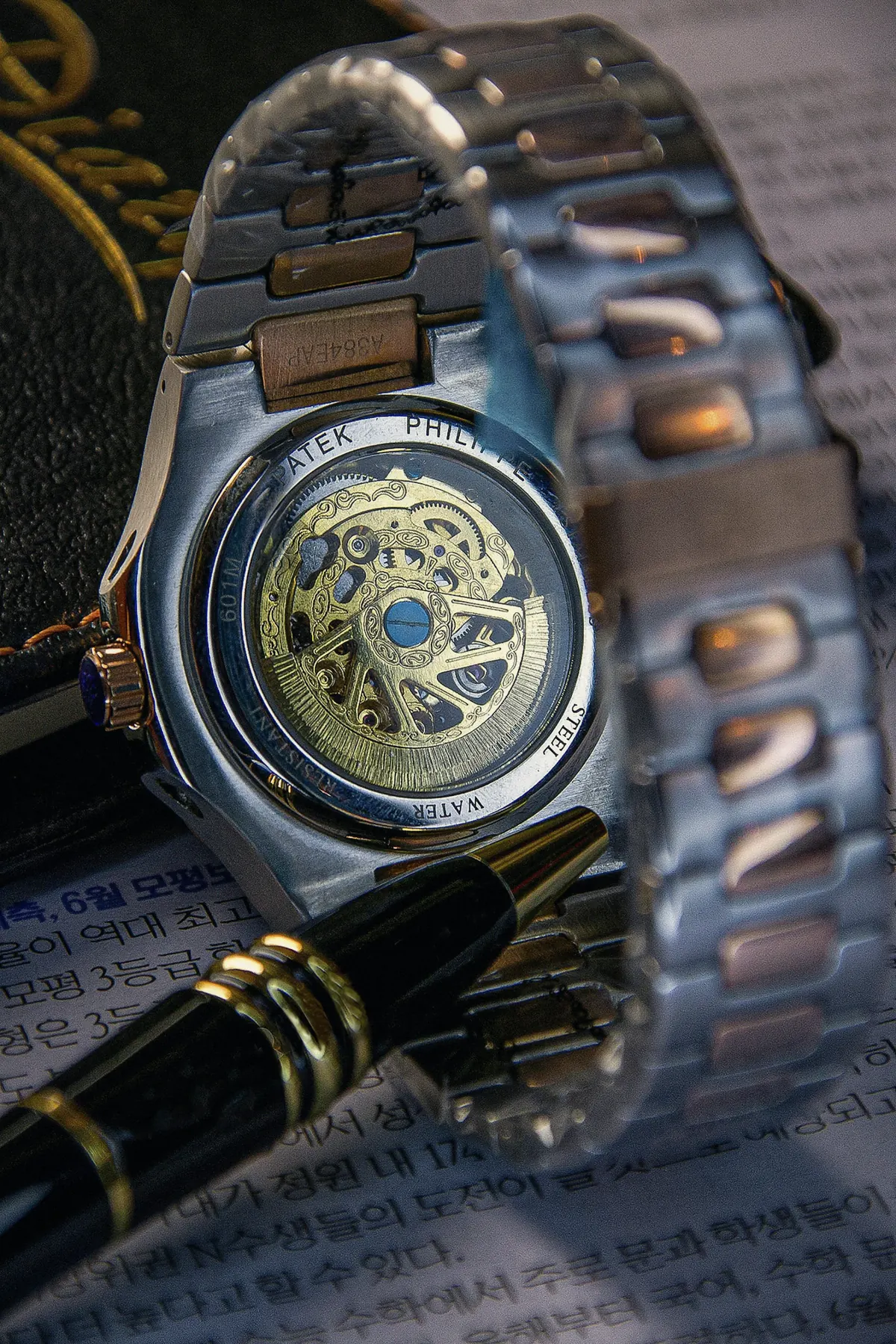
The box and papers are missing
Boxes and papers can be lost, separated from the watch or simply no longer available. The box may have gone in a house move, the warranty card may never have been kept, or the watch may have come from someone who didn't hold on to any of it. The watch itself is still there, and that's what Ben is valuing.
What can still identify the watch?
The watch itself provides much of the information Ben needs to start the assessment. The dial may identify the brand and, on some watches, the model, and the reference and serial numbers may be engraved elsewhere on the watch, in a place that depends on the brand and age. Photos of the dial, the case sides, the caseback and the clasp usually show enough for Ben to begin. If you can find any numbers, send them. If you can't, say so and Ben will tell you what else would help.
Where a brand puts its numbers differs, and the brand page explains it, for example selling a Rolex or selling a Cartier.
What changes when the documents are gone
The box, papers and warranty card give a buyer supporting information: a purchase date, a reference, a sign that the watch is complete. Without them, Ben has less to confirm what he sees, and that can affect the valuation. By how much depends on the brand, the model and how recent the watch is, so there is no fixed amount.
Several things stay as they were: the watch, its configuration, its condition and whether it runs. Ben explains what the absence has done to the figure for yours.
What Ben needs instead
Clear photos do most of the work. Add what you know: when and where it was bought, whether it has been serviced, and whether you have a receipt, a service record or an insurance document that mentions the watch. Those records can give Ben additional information about the watch when the original documents are missing.
Photos can't show everything, and they can't prove that a watch is genuine. Ben doesn't rely on them alone, which is why the offer is confirmed when he has the watch in front of him.
Rolex, Patek Philippe and other brands
For some brands and models, a warranty card or certificate is an important part of the accompanying documentation, and sellers often ask whether the sale can go ahead without it. The brand pages cover that for each, and selling a Patek Philippe is where to start if a certificate is the missing piece. A Cartier or a TAG Heuer follows the same logic with different details.
Questions about selling without box and papers
How much is a Rolex worth without box and papers?
There's no fixed figure. It depends on the model, its age and condition, and what else is missing. Send Ben the details and he'll explain how the missing documents affect your valuation. What a watch is worth explains the factors.
Can I sell my Rolex without the certificate?
The certificate or warranty card is one piece of supporting information, and Ben works from the others you do have. A card doesn't authenticate a watch by itself.
What if I have the papers but no box, or the box but no papers?
Say which you have and photograph it. Ben works with whatever you can show him.
What if I don't know the reference number?
Send photos of the dial, caseback and clasp. Ben may be able to identify the watch from them, and he'll tell you if he needs more.
Can you tell if a watch is genuine from photographs?
Photos can't prove it. Ben inspects the watch against the details you've given.
Tell Ben what you have
List what you do have, such as a receipt, a service record or a box without papers, and add your photos.
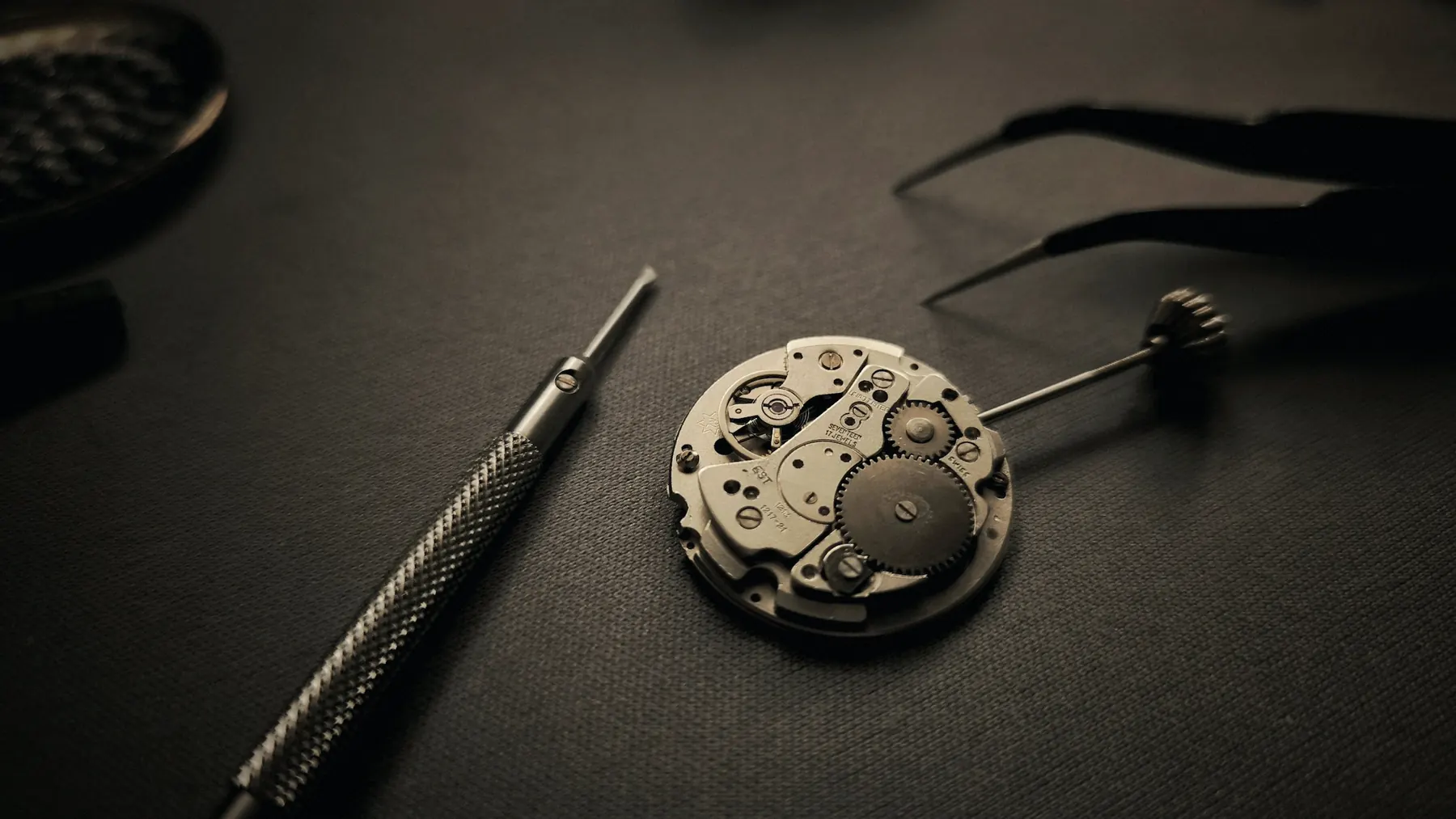
Start with a valuation
Send Ben the details and a few photos. He tells you what he thinks the watch is worth and how he got there. You decide what happens next.